
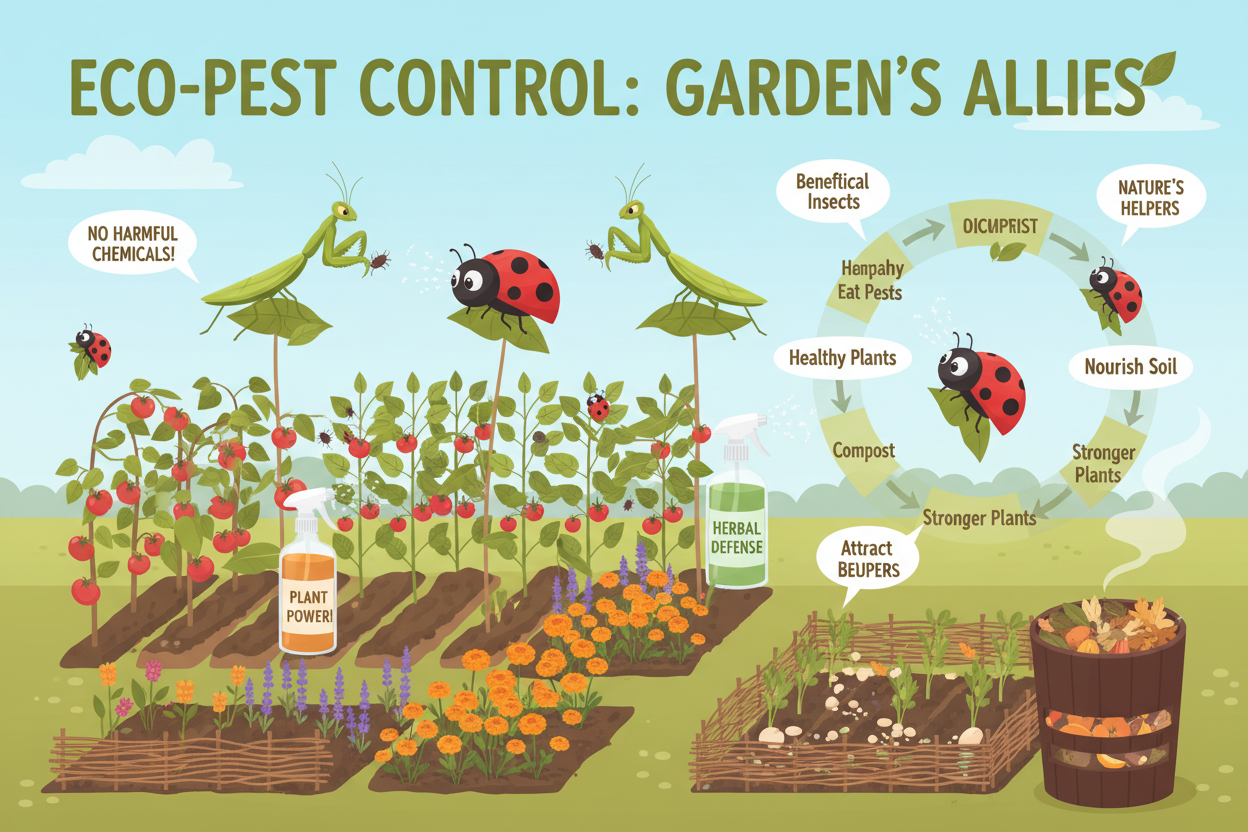
How Eco-Friendly Pest Control Works
Pest problems don't have to mean harsh chemicals and toxic residues. More property managers, pest control professionals, and homeowners are realizing that effective pest management can work hand in hand with environmental responsibility. The question isn't whether eco-friendly methods can match traditional approaches. It's about understanding how these sustainable solutions actually work and why they're becoming the preferred choice for commercial and residential applications alike.
What Makes Pest Control Eco-Friendly?
Eco-friendly pest control refers to methods that manage pest populations while minimizing harm to people, pets, beneficial insects, and the environment. Unlike conventional approaches that rely heavily on synthetic chemical pesticides, these methods use a combination of prevention strategies, biological controls, mechanical barriers, and targeted low-toxicity products when absolutely necessary.
The key difference lies in the philosophy. Traditional pest control often treats symptoms by eliminating visible pests with broad-spectrum chemicals. Eco-friendly approaches address root causes by making environments less hospitable to pests and using nature's own pest management systems. This shift creates sustainable, long-term solutions rather than temporary fixes that require repeated chemical applications.
For businesses seeking eco pest control supplies wholesale, understanding this fundamental difference helps explain why demand for sustainable products continues to grow across North America.
The Science Behind Integrated Pest Management (IPM)
At the heart of eco-friendly pest control is Integrated Pest Management, a science-based decision-making process that's been refined over decades. IPM combines common-sense practices with current, comprehensive information on pest life cycles and their interaction with the environment. This approach uses pest control methods in the most economical way possible while minimizing hazards to people, property, and ecosystems.
IPM follows a four-tiered approach that makes it highly effective:
- Setting Action Thresholds: Not every pest sighting requires immediate intervention. IPM establishes specific thresholds where pest populations or environmental conditions indicate that action is necessary. A few ants in a warehouse might not warrant treatment, but a colony establishing trails to food storage areas would.
- Monitoring and Identification: Accurate pest identification is critical. Many organisms are harmless or even beneficial. By monitoring pest activity and correctly identifying species, pest management professionals can make informed decisions about whether control is needed and which methods will be most effective for specific pests.
- Prevention as Priority: IPM emphasizes preventing pest problems before they start. This includes eliminating food sources, blocking entry points, removing water sources, and maintaining proper sanitation. These measures make environments naturally inhospitable to pests without any chemical intervention.
- Targeted Control Methods: When prevention alone isn't enough, IPM employs the least-risk control methods first. Physical barriers, traps, biological controls, and botanical pesticides are used before considering synthetic chemicals. If chemicals become necessary, they're applied in a targeted manner to specific pest populations rather than broad-spectrum treatments.
Businesses working with companies like Sunasha Distribution can access eco pest control supplies wholesale that align with IPM principles, making it easier to implement these strategies at scale.
How Biological Control Methods Work
One of the most fascinating aspects of eco-friendly pest control is biological control, which harnesses nature's pest management system. This method uses living organisms to reduce pest populations without synthetic chemicals.
Natural Predators: Beneficial insects are the unsung heroes of pest management. Ladybugs consume hundreds of aphids throughout their lifecycle. Lacewings prey on soft-bodied insects like whiteflies and spider mites. Predatory mites target pest mites that damage crops and ornamental plants. By encouraging these beneficial species or introducing them strategically, pest populations can be managed naturally.
Parasitoids: These specialized organisms spend part of their life cycle inside or attached to pest hosts. Parasitic wasps, for example, lay eggs inside pest caterpillars. When the eggs hatch, the larvae consume the host from within. While this sounds dramatic, it's highly targeted and affects only specific pest species.
Microbial Controls: Naturally occurring bacteria, fungi, and nematodes can be used as biological pesticides. Bacillus thuringiensis is a protein-producing bacteria whose protein is toxic to certain insects, and many IPM programs use it to control insects like caterpillars, mosquito larvae, and beetles. These microorganisms are non-toxic to humans, pets, and beneficial insects.
The beauty of biological control is that it works with natural ecosystem balance rather than against it. Populations of pest predators establish themselves over time, providing ongoing pest management with minimal human intervention.
Physical and Mechanical Control Strategies
Sometimes the most effective pest control doesn't involve any products at all. Physical and mechanical methods create barriers that prevent pests from accessing buildings or trap them before populations become problematic.
Exclusion Techniques: Sealing entry points is one of the most powerful pest prevention strategies. Gaps around pipes, cracks in foundations, damaged window screens, and unsealed doors are common entry routes for pests. By using caulk, weather-stripping, door sweeps, and screens, buildings can be made significantly less accessible to insects and rodents. For commercial facilities, this might involve installing air curtains at loading docks or upgrading door seals.
Traps and Monitors: Physical traps serve dual purposes in eco-friendly pest management. Sticky traps capture crawling insects like cockroaches while also monitoring pest activity levels. Pheromone traps use natural insect attractants to lure pests without chemicals. For rodent control, mechanical snap traps and modern bait stations provide effective alternatives to rodenticides in many situations.
Sunasha Distribution offers products like Rodentex bait stations that combine physical containment with targeted bait placement, minimizing environmental exposure while maintaining effectiveness. These tamper-resistant stations work well in warehouses, commercial buildings, and facilities where traditional rodent control methods raise safety concerns.
Environmental Modifications: Changing the physical environment reduces pest attractiveness. This includes proper waste management with sealed containers, eliminating standing water that breeds mosquitoes, maintaining drainage systems, storing materials off floors, and reducing clutter that provides hiding spots. In outdoor areas, keeping mulch away from building foundations and maintaining vegetation reduces pest harborage sites.
Botanical and Low-Toxicity Pesticide Options
When prevention and physical controls aren't sufficient, eco-friendly pest management turns to lower-risk pesticides derived from natural sources. These botanical and mineral-based products work differently than synthetic chemicals and typically break down more quickly in the environment.
Plant-Derived Pesticides: Essential oils and plant extracts can be effective pest deterrents and insecticides. Peppermint oil repels ants and spiders. Citronella deters mosquitoes. Eucalyptus oil works against flies and roaches. Neem oil, derived from the neem tree, disrupts insect feeding and reproduction. D-limonene, found in citrus peels, acts as a contact insecticide for certain pests.
These botanical pesticides work through various mechanisms, often targeting the nervous systems of insects or interfering with their growth and reproduction. Because they're derived from plants, they typically have shorter residual activity than synthetic chemicals, which means less persistent environmental exposure.
Mineral-Based Controls: Products like diatomaceous earth and boric acid offer effective pest control with low toxicity to mammals. Diatomaceous earth is made from fossilized remains of tiny aquatic organisms. Its microscopic sharp edges damage the waxy coating on insect exoskeletons, causing dehydration. It works on crawling insects like ants, cockroaches, and bed bugs without chemical action.
For pest control companies and facility managers looking to transition to greener products, working with distributors specializing in eco pest control supplies wholesale makes the switch more practical and cost-effective.
The Role of Cultural and Sanitation Practices
Perhaps the most overlooked aspect of eco-friendly pest control is cultural practices, the ongoing behaviors and maintenance routines that prevent pest problems from developing. These practices are fundamental to sustainable pest management.
Sanitation Protocols: Pests are attracted to food, water, and shelter. Rigorous sanitation eliminates these attractants. This means regular cleaning schedules, proper food storage in sealed containers, immediate cleanup of spills and crumbs, regular trash removal, and maintaining dry conditions in areas prone to moisture. In commercial settings, sanitation protocols should be documented and followed consistently.
Proper Storage Methods: How materials and products are stored significantly impacts pest pressure. Items should be stored off floors on pallets or shelving, allowing for easy inspection and reducing hiding places. Rotating stock using first-in-first-out practices prevents materials from sitting undisturbed for long periods. Storing food items in airtight containers denies access to pests even if they enter the facility.
Landscape Management: Outdoor areas require attention too. Keeping vegetation trimmed away from buildings eliminates "pest highways" that insects and rodents use to access structures. Managing irrigation to avoid creating moisture problems reduces mosquito breeding and attracts fewer pests seeking water sources. Removing debris and maintaining clean outdoor areas eliminates potential harborage sites.
These cultural practices form the foundation of sustainable pest management. They reduce the need for any pest control products, whether conventional or eco-friendly, by making environments naturally inhospitable to pests.
Benefits of Choosing Eco-Friendly Pest Control
The advantages of eco-friendly pest control extend well beyond environmental responsibility. These benefits impact health, economics, and long-term sustainability.
Health and Safety: Eco-friendly methods reduce exposure to toxic chemicals for building occupants, employees, customers, and pest control technicians. This is particularly important in sensitive environments like schools, healthcare facilities, food processing plants, and residential buildings. Lower toxicity products mean reduced health risks and often eliminate the need for facility closures during treatment.
Environmental Protection: Sustainable pest control methods protect beneficial insects like bees and butterflies that are crucial for pollination. They prevent chemical runoff that contaminates soil and waterways. They maintain ecosystem balance by preserving natural predator-prey relationships. These environmental benefits contribute to biodiversity conservation and ecological health.
Economic Advantages: While some eco-friendly products may have higher upfront costs, the total cost of ownership often favors sustainable approaches. Prevention-focused strategies reduce the frequency of treatments needed. Addressing root causes provides longer-lasting results than simply killing visible pests. Buildings with comprehensive IPM programs often see reduced pest activity over time as preventive measures take effect.
Regulatory Compliance: As regulations around pesticide use become stricter, especially in certain industries and municipalities, eco-friendly pest control helps ensure compliance. Many green building certifications and corporate sustainability initiatives require or favor reduced-risk pest management approaches.
Brand Reputation: For businesses, using eco-friendly pest control aligns with corporate social responsibility goals and appeals to environmentally conscious customers and employees. It demonstrates commitment to sustainability and worker safety.
Implementing Eco-Friendly Pest Control in Different Settings
The application of eco-friendly pest control varies based on the setting and specific pest challenges, but the underlying principles remain consistent.
Commercial Facilities: Warehouses, distribution centers, and manufacturing plants can implement comprehensive IPM programs that combine sanitation protocols, structural repairs, monitoring systems, and targeted treatments. Regular inspections identify pest activity early. Installing door sweeps, repairing damaged screens, and sealing penetrations prevent pest entry. Employee training ensures everyone understands their role in pest prevention.
Retail and Food Service: These environments require especially careful pest management due to food handling and customer presence. Prevention focuses on receiving inspections to catch pests before they enter, proper storage practices, scrupulous sanitation, and waste management. Low-toxicity products and targeted applications minimize customer exposure while maintaining high standards of pest control.
Residential Properties: Homeowners can adopt many eco-friendly practices without professional help. Regular home maintenance, proper food storage, fixing water leaks, sealing entry points, and using targeted treatments for specific pest problems provide effective control. Professional pest control services increasingly offer green programs for residential customers.
Institutional Settings: Schools, hospitals, and government buildings benefit particularly from eco-friendly approaches. These facilities often have vulnerable populations, including children, elderly individuals, and people with compromised immune systems. IPM programs in these settings prioritize the safest methods and may have stricter protocols around product selection and application timing.
Sourcing Eco-Friendly Pest Control Products
As demand for sustainable pest management grows, accessing quality eco-friendly products has become easier. Wholesale distributors play a crucial role in making these products available to pest control professionals, facility managers, and retailers.
Working with established distributors ensures access to proven products that meet efficacy standards while maintaining environmental responsibility. Companies like Sunasha Distribution specialize in eco pest control supplies wholesale, offering products like Eco-Way formulations designed for professional use. Their product lines include dust formulations, fungicides, and crawling insect controls that balance effectiveness with reduced environmental impact.
The key is finding suppliers who understand both the pest control industry and sustainability principles. Look for distributors who can provide technical support, product training, and documentation about environmental certifications. Wholesale purchasing makes eco-friendly products more cost-effective, particularly for commercial operations or pest control companies serving multiple clients.
Quality wholesale suppliers also offer reliable delivery and inventory management support, ensuring that pest control professionals and facilities have the products they need when pest pressure requires intervention. This reliability is essential for maintaining comprehensive IPM programs.
Common Challenges and Solutions
Transitioning to eco-friendly pest control isn't without challenges, but understanding potential obstacles helps develop effective solutions.
Perception of Reduced Efficacy: Some people assume eco-friendly methods won't work as well as conventional chemicals. Reality shows that when applied correctly as part of comprehensive IPM programs, sustainable approaches achieve excellent results. The key is education about how these methods work and setting appropriate expectations about timeline and process.
Initial Time Investment: Implementing prevention-focused pest management requires upfront effort in inspections, structural repairs, and protocol development. However, this investment pays dividends through reduced pest activity and lower treatment costs over time. Starting with high-priority areas and expanding gradually makes the process more manageable.
Need for Monitoring: Eco-friendly pest control requires ongoing monitoring to assess effectiveness and catch problems early. This is actually an advantage, as regular monitoring prevents small pest issues from becoming major infestations. Modern technology like digital monitoring systems makes this easier and provides valuable data.
Product Selection: With many products claiming to be eco-friendly, determining which actually deliver results requires research. Working with knowledgeable distributors and seeking products with third-party certifications helps ensure quality. Pilot testing new products on a small scale before full implementation reduces risk.
Training Requirements: Staff and technicians need training on eco-friendly methods, which differ from conventional approaches. This includes understanding pest biology, prevention strategies, and proper application of lower-risk products. However, this knowledge makes pest control more effective overall and improves long-term results.
The Future of Sustainable Pest Management
Eco-friendly pest control continues to evolve as research advances and technology improves. Several trends are shaping the future of sustainable pest management.
Precision Technology: Smart traps with sensors provide real-time pest activity data. Digital monitoring systems allow remote oversight of multiple locations. Data analytics help identify patterns and predict pest pressure. These technologies make IPM more efficient and targeted.
Biopesticide Innovation: Research continues to develop new biological control agents and botanical pesticides. These products offer increasingly specific targeting of pest species while preserving beneficial organisms. As these products improve, they provide more options for sustainable pest management.
Climate Adaptation: As climate change affects pest populations and behaviors, IPM strategies are adapting. Understanding how temperature and precipitation patterns influence pest activity helps predict and prevent problems. Climate-smart pest management integrates these considerations into planning.
Green Building Integration: Pest management is increasingly integrated into green building design and LEED certification programs. This brings IPM considerations into the planning phase of construction and renovation, making prevention more effective from the start.
The growing demand for eco pest control supplies wholesale reflects broader shifts in how businesses and consumers think about pest management. Sustainability and effectiveness are no longer seen as competing priorities but as complementary goals that support long-term success.
Frequently Asked Questions
Q: Are eco-friendly pest control methods as effective as conventional chemical pesticides?
When implemented properly as part of a comprehensive IPM program, eco-friendly methods provide excellent long-term pest control. They work differently by addressing root causes rather than just killing visible pests. Results may take slightly longer initially, but sustainable approaches prevent recurring problems that require repeated treatments. The combination of prevention, monitoring, and targeted intervention creates more effective pest management over time.
Q: What's the difference between natural and organic pest control products?
Natural products are derived from plants, minerals, or other naturally occurring substances, while organic products meet specific certification standards for organic agriculture or production. All organic pest control products are natural, but not all natural products qualify as organic. Both categories generally have lower environmental impact than synthetic chemicals, though effectiveness and application methods vary by product and pest.
Q: How long does it take to see results with eco-friendly pest control?
Initial results from physical controls like exclusion and traps can be immediate. Biological controls may take several weeks to establish populations of beneficial organisms. Prevention strategies provide benefits over time by reducing conditions that attract pests. Most comprehensive IPM programs show significant pest reduction within 30 to 90 days, with continued improvement as the program matures. Patience during the transition pays off with sustained, long-term results.
Q: Can businesses save money by switching to eco-friendly pest control?
Yes, although the economics work differently than conventional approaches. Initial investment in exclusion work, repairs, and prevention may be higher. However, these measures reduce ongoing treatment needs. Fewer pest problems mean less product usage and lower service frequency. Reduced health risks and environmental liability also provide financial benefits. Most facilities implementing comprehensive IPM programs report lower total pest management costs within the first year.
Q: Where can pest control companies find reliable eco-friendly products at wholesale prices?
Specialized distributors focusing on sustainable pest management products offer the best combination of quality, selection, and pricing. Companies like Sunasha Distribution provide eco pest control supplies wholesale including products like Eco-Way formulations and Rodentex bait stations. Look for distributors with established reputations, technical support capabilities, and reliable delivery systems. Wholesale purchasing ensures cost-effective access to proven products while supporting transition to greener practices.