
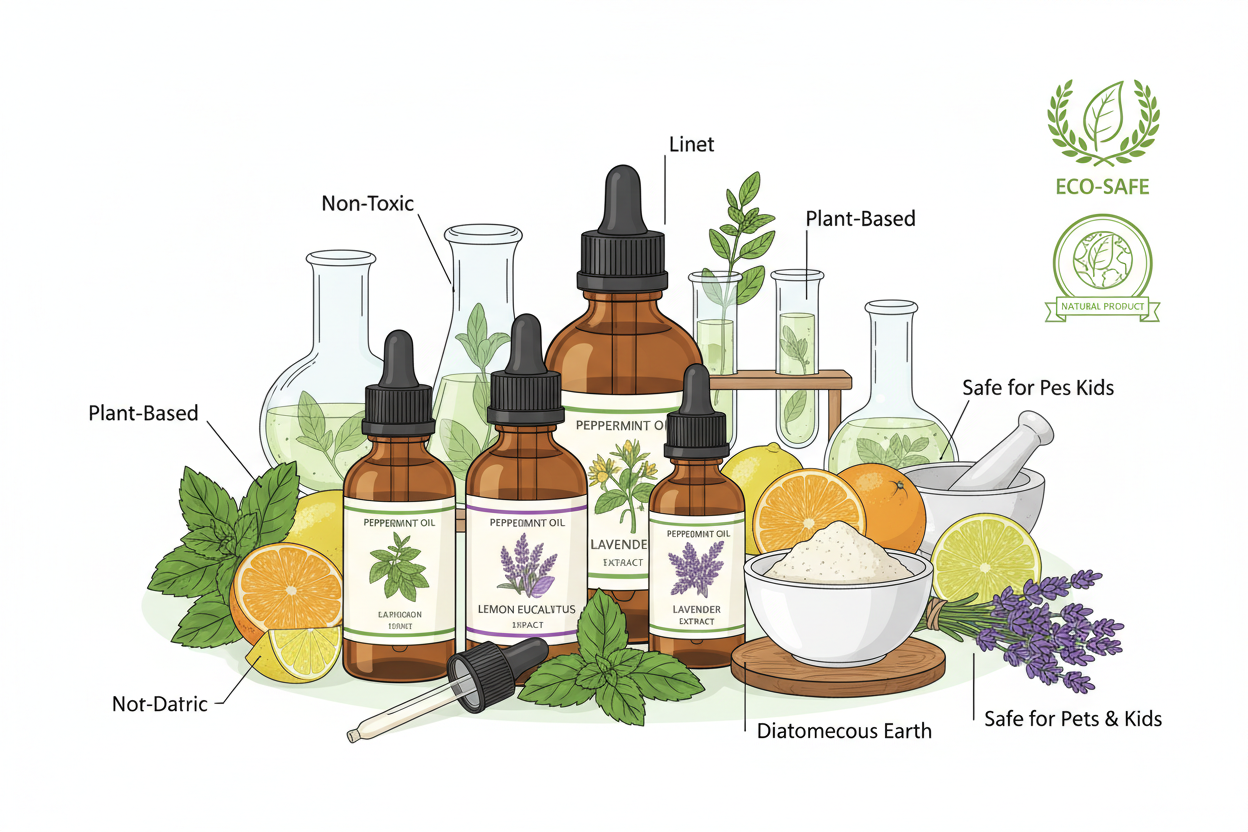
When choosing pest control solutions for your home or business, understanding what makes a product truly non-toxic can mean the difference between protecting your family and exposing them to unnecessary health risks. The term "non-toxic" gets thrown around often in pest management, but not all products marketed this way meet the same safety standards.
Let's break down what actually qualifies a pest control product as non-toxic and why these details matter for your health and the environment.
Understanding Non-Toxic Pest Control Standards
The Environmental Protection Agency (EPA) designates certain pesticides as "minimum risk" under FIFRA Section 25(b). These products pose little to no risk to human health or the environment and are exempt from standard pesticide registration requirements.
For a pest control product to qualify as minimum risk, it must meet six strict conditions set by the EPA. The active ingredients can only come from an approved list of 31 substances that have demonstrated safety profiles. These include plant-based compounds like thyme oil, rosemary oil, cinnamon oil, and citronella.
The Federal Insecticide, Fungicide, and Rodenticide Act (FIFRA) established this exemption in 1996 to help focus regulatory resources on higher-risk pesticides. This framework gives homeowners and businesses access to safer alternatives without the extensive registration process required for conventional pesticides.
Key Ingredients That Define Non-Toxic Products
The foundation of any non-toxic pest control product lies in its ingredient list. Unlike conventional pesticides that rely on synthetic chemicals, non-toxic formulas use naturally-derived substances that work through mechanical or botanical action.
Plant-Based Essential Oils
Essential oils form the backbone of many eco pest control suppliers Canada products. Thyme, peppermint, rosemary, lemongrass, and clove oils kill, repel, and flush out insects without posing risks to humans or pets. These botanical compounds work by disrupting insect nervous systems or damaging their protective exoskeletons.
Research shows that botanical insecticides don't create resistance in pest populations the way synthetic chemicals do. Bed bugs, cockroaches, and flies can develop tolerance to pyrethroids, but no known resistance exists to botanical pesticides.
Diatomaceous Earth
This naturally occurring substance contains fossilized remains of tiny aquatic organisms called diatoms. When viewed under a microscope, diatomaceous earth appears as sharp, abrasive particles that damage insect exoskeletons. This leads to dehydration and death within 48 hours of contact.
Food-grade diatomaceous earth is completely safe around children and pets. It won't stain furniture or clothing like some chemical pesticides can. The main limitation is that it loses effectiveness when wet.
Mineral-Based Compounds
Some non-toxic formulations use mineral compounds like boric acid in controlled concentrations. While boric acid requires careful handling around small children, it poses significantly lower risks than organophosphates or synthetic pyrethroids used in conventional pesticides.
What Makes Ingredients Safe for Humans and Pets
The difference between toxic and non-toxic pest control comes down to how products interact with mammals versus insects. Non-toxic formulations target biological systems specific to pests while remaining harmless to warm-blooded animals.
Low Toxicity to Mammals
Products containing plant-based essential oils show minimal toxicity to humans and pets when used as directed. These substances don't accumulate in body tissues or disrupt hormone function the way synthetic pesticides can.
Studies published by the American Cancer Society found elevated risks of non-Hodgkin's lymphoma in people exposed to common herbicides and fungicides. Research also reveals that children living in households using conventional pesticides suffer higher rates of leukemia, brain cancer, and soft tissue sarcoma.
Non-toxic alternatives avoid these health risks entirely. They break down quickly in the environment and don't leave persistent residues on surfaces where children and pets spend time.
Absence of Harmful Chemical Classes
Pet-safe pest control products specifically avoid harsh ingredients like organophosphates and synthetic pyrethroids. These chemical classes can cause neurological symptoms in pets and have been linked to developmental issues in children.
Instead, non-toxic formulas use food-grade ingredients or plant compounds that humans have safely consumed or used for centuries. Many minimum risk pesticide ingredients already have Generally Recognized As Safe (GRAS) status from the Food and Drug Administration for use in food products.
Environmental Impact and Biodegradability
True non-toxic pest control extends beyond human safety to consider environmental health. Products that claim to be eco-friendly should break down naturally without contaminating water sources or harming beneficial organisms.
No Aquatic Toxicity
Many botanical pesticides show zero aquatic toxicity, meaning they can be applied near water without harming fish or other aquatic life. This makes them ideal for controlling pests around ponds, fountains, or areas where runoff enters storm drains.
Conventional pesticides often carry strict warnings about water contamination. Even small amounts can kill fish and disrupt aquatic ecosystems. Non-toxic alternatives eliminate this concern entirely.
Protection of Beneficial Insects
One of the biggest advantages of non-toxic pest control is its ability to target specific pests while preserving beneficial organisms. Pollinators like bees face serious threats from neonicotinoid pesticides, which the EPA has been slow to ban despite mounting evidence of harm.
Natural pest control methods work selectively. When applied correctly, botanical sprays affect only the insects they contact rather than creating systemic toxicity throughout the food chain.
Transparency and Labeling Requirements
A truly non-toxic pest control product should have complete transparency about its ingredients. This is actually a requirement for minimum risk pesticides under EPA regulations.
Full Ingredient Disclosure
All minimum risk pesticide products must list both active and inert ingredients on their labels. This contrasts sharply with conventional pesticides, where manufacturers aren't required to disclose so-called "inert" ingredients.
Many of these undisclosed ingredients have proven more toxic than the active ingredients themselves. If a company won't share its complete product information, that raises red flags about what they're trying to hide.
No Misleading Claims
Products properly classified as minimum risk pesticides cannot make certain claims on their labels. They can't state that they control organisms posing specific disease threats, like "kills ticks that carry Lyme disease."
Watch out for vague marketing language. Words like "natural" or "green" don't guarantee safety. Arsenic is natural but definitely not safe for home use. Look for specific references to FIFRA 25(b) exemption or minimum risk classification.
How Non-Toxic Products Work Effectively
Some people assume that safer products must be less effective. This isn't true. Non-toxic pest control products work through different mechanisms that can be just as powerful as synthetic chemicals.
Physical and Mechanical Action
Diatomaceous earth kills insects through pure mechanical action by damaging their protective coating. No chemical reaction occurs, which means pests can't develop resistance.
Sticky traps and physical barriers also provide non-toxic pest control. These methods require no chemicals at all while effectively managing pest populations.
Behavioral Disruption
Essential oils act as excito-repellents, meaning insects actively avoid them by moving in the opposite direction. This creates a natural barrier without needing to kill every pest that enters your space.
Botanical compounds also serve as flushing agents. When applied to cracks and crevices, they drive cockroaches out of hiding spots where they can be eliminated. This makes inspection and targeted treatment much more effective.
Vapor Action
Some botanical insecticides produce vapors that outlast synthetic pyrethroids. This extended action proves especially useful for mosquito control programs and creates longer-lasting protection.
Choosing the Right Non-Toxic Product
Not every situation requires the same pest control approach. Understanding your specific needs helps you select the most appropriate non-toxic solution.
For Indoor Residential Use
Look for products specifically labeled as safe for indoor use around food preparation areas. Minimum risk pesticides containing essential oils work well for controlling ants, cockroaches, and spiders inside homes.
Food-grade diatomaceous earth can be sprinkled in cabinets, behind appliances, and along baseboards where pests travel. Just keep these areas dry for best results.
For Commercial and Agricultural Applications
Businesses requiring eco pest control suppliers Canada often need products that work in sensitive environments. Schools, hospitals, and food processing facilities benefit from minimum risk pesticides that don't require notification to parents or patients.
Products like Eco-Way pest control solutions from Sunasha Distribution meet these requirements. They're formulated to be effective while maintaining environmental responsibility.
For Outdoor Garden and Lawn Care
Outdoor applications need products safe for edible plants and around water features. Many botanical insecticides carry no restrictions on use near ornamental or food crops.
These formulations won't harm earthworms, birds, or beneficial insects that help control pest populations naturally. They integrate well with organic gardening practices.
Red Flags to Watch For
Even when shopping for supposedly non-toxic products, stay alert for warning signs that a product might not be as safe as claimed.
Check the Signal Words
Pesticide labels use signal words to indicate toxicity levels. "Caution" signals the lowest toxicity, while "Warning" indicates moderate toxicity and "Danger" means high toxicity.
If a product labeled as "natural" or "non-toxic" carries a "Warning" or "Danger" signal word, that's a major contradiction. These products pose real risks regardless of their marketing.
Verify Third-Party Certifications
Look for certifications from recognized organizations. Products approved for organic use or certified by environmental groups have undergone independent verification.
Be suspicious of vague environmental claims without supporting evidence. Real eco-friendly companies provide specific details about how their products meet safety standards.
The Role of Integrated Pest Management
Non-toxic products work best as part of a comprehensive pest management strategy. This approach combines multiple tactics to control pests while minimizing reliance on any single method.
Prevention First
The most effective pest control starts with eliminating conditions that attract pests. Store food in sealed containers, fix water leaks, seal entry points, and remove clutter where pests hide.
These preventive steps reduce pest pressure before you need to apply any products. When you do use pesticides, you'll need less quantity and frequency.
Monitoring and Targeting
Regular inspection helps you identify pest problems early when they're easier to control. Targeted application of non-toxic products to specific problem areas proves more effective than widespread spraying.
This precision approach reduces product usage and exposure while improving results. You treat the root of the problem rather than just surface symptoms.
Combining Methods
Physical traps, exclusion techniques, and biological controls complement non-toxic pesticide use. Encouraging natural predators like birds and beneficial insects creates a balanced ecosystem that naturally suppresses pest populations.
This holistic approach delivers sustainable pest management without ongoing chemical dependence.
Making Informed Decisions
Choosing non-toxic pest control products protects your family's health while addressing pest problems effectively. Understanding what actually makes products safe helps you see through marketing hype and select solutions that work.
Look for products that meet EPA minimum risk criteria, use approved botanical or mineral ingredients, and provide complete transparency about formulation. Companies like Sunasha Distribution offer eco pest control suppliers Canada options that meet these standards without compromising effectiveness.
The initial cost of non-toxic products might seem higher than conventional alternatives. But when you factor in health risks, environmental damage, and the development of pest resistance, safer options deliver better long-term value.
Frequently Asked Questions
Are natural pest control products as effective as chemical ones?
Yes, natural pest control products can be equally effective when used correctly. They work through different mechanisms like physical damage to exoskeletons or behavioral disruption rather than chemical toxicity. Research shows pests develop resistance to synthetic chemicals but not to botanical alternatives, making natural products more sustainable long-term.
Can I use non-toxic pest control products around my pets?
Most minimum risk pesticides are safe around pets when applied according to label directions. These products avoid harsh ingredients like organophosphates and synthetic pyrethroids that can harm animals. Always read product labels to confirm pet safety and follow any specific precautions mentioned.
Do non-toxic pest control products leave residues?
Non-toxic products made from botanical oils and plant-based ingredients break down much faster than synthetic pesticides. They don't leave persistent chemical residues on surfaces or accumulate in the environment. This makes them safer for areas where children play and pets roam.
How can I tell if a pest control product is truly non-toxic?
Look for products that list FIFRA 25(b) exemption or minimum risk classification on their labels. Check that all active and inert ingredients are disclosed. Avoid products with signal words like "Warning" or "Danger" regardless of marketing claims. Verify that active ingredients come from the EPA's approved list.
What's the difference between organic and non-toxic pest control?
Organic pest control must meet certification standards for organic agriculture and may still include some toxic substances approved for organic use. Non-toxic specifically refers to products with low or no toxicity to humans and the environment. A product can be non-toxic without being certified organic, though many non-toxic products qualify for organic use.