
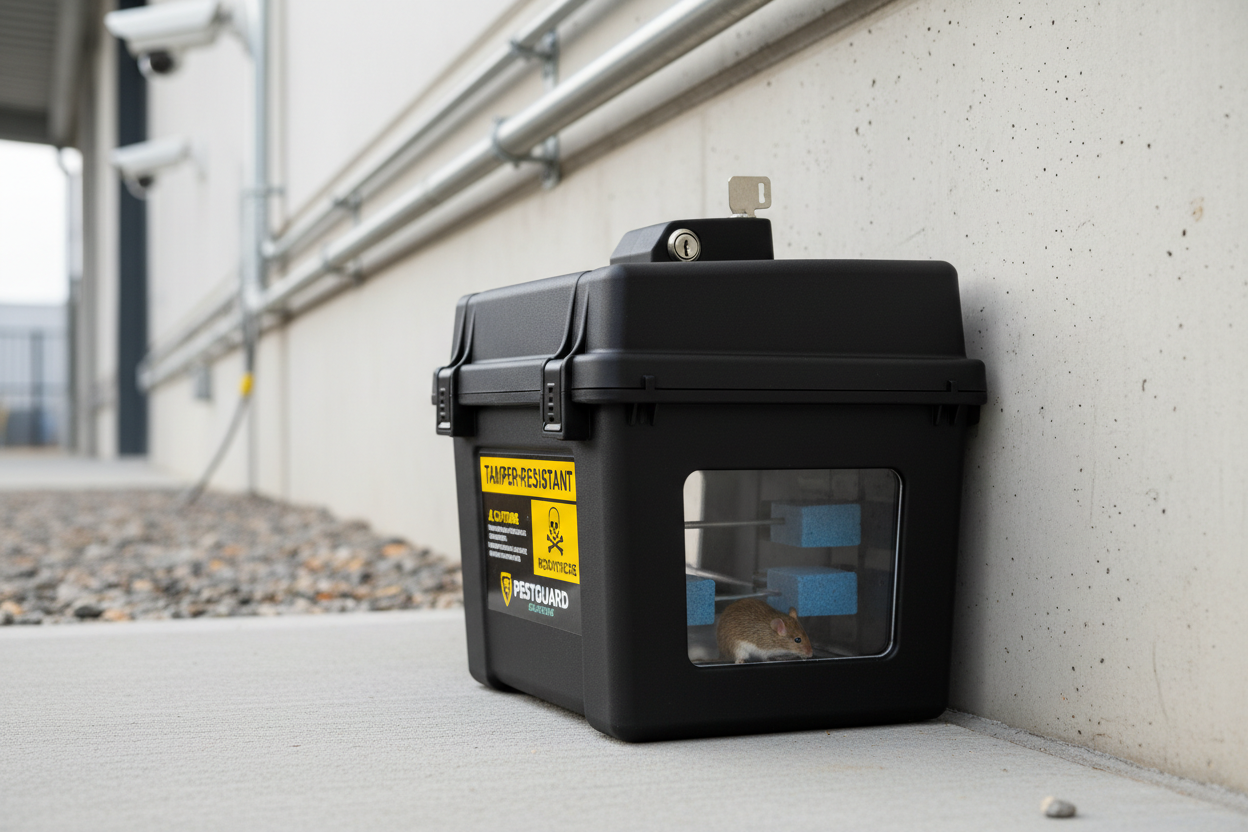
When dealing with rodent problems, you might wonder why you can't just put poison bait wherever you see mouse droppings. The answer comes down to one word: safety. Tamper-resistant rodent stations aren't just a good idea. They're required by federal law in most situations.
If you have children, pets, or any non-target animals in your home or workplace, you need to use these protective stations. Here is why these requirements exist and what they mean for you.
Understanding the EPA Requirements for Rodent Bait Stations
The Environmental Protection Agency (EPA) has set strict guidelines for how rodenticides can be used. Starting in 2011, the EPA tightened restrictions after reviewing thousands of accidental poisoning cases.
According to data from poison control centers, nearly 10,000 people ingest rodenticide in the United States every year. More than half of those cases involve children under five years old. These numbers pushed the EPA to mandate protective measures.
The regulations now require that all consumer rodenticide products sold in retail stores must include a bait station. You can't legally buy loose pellet baits anymore for home use. Professional pest control applicators must use tamper-resistant stations when children or non-target animals can access the treatment area.
What Makes a Bait Station Tamper-Resistant
Not every box with a lid qualifies as tamper-resistant. The EPA has established specific criteria that stations must meet. These standards came from PR Notice 94-7, which replaced the old term "tamper-proof" with the more accurate "tamper-resistant."
The EPA recognized that no station is completely impervious to tampering. Instead, they focus on making stations resistant enough to prevent accidental exposure during normal use.
A properly certified tamper-resistant station must be strong enough to resist forced entry by dogs and children under six years old. This includes attempts using hands, feet, or common objects like sticks and stones. The station needs locking or sealing mechanisms that keep children and non-target animals from reaching the bait inside.
The entrance holes must allow rodents in while keeping larger animals out. Most manufacturers use maze-like internal pathways or baffles. Rodents can navigate the 90-degree turns to reach bait, but a child's fingers cannot.
The station must be anchored or heavy enough that it can't be lifted and shaken to spill bait. Internal structures prevent loose bait from falling out of entry holes. The design and color should not attract children's attention. Finally, warning labels must be visible and prominent.
The Four Tiers of Protection
The EPA classifies ready-to-use bait stations into four tiers based on their protection levels.
Tier 1 stations offer the highest protection. They resist tampering by children and dogs, and they withstand weather conditions. You can use these indoors and outdoors within 50 feet of buildings. These stations meet all EPA safety criteria and pass rigorous testing protocols.
Tier 2 stations resist tampering by children and dogs but lack weather resistance. These work well for indoor applications only. The plastic construction and sealing methods don't hold up to rain, snow, or extreme temperatures.
Tier 3 stations resist tampering by children only. You can only use these indoors in areas where pets have no access. They provide less protection than Tier 1 or 2 options.
Tier 4 stations either haven't been tested for tamper resistance or failed to meet EPA standards. These can only be used indoors in areas where neither young children nor pets can access them. This includes residences where no young children or pets live or visit.
Why These Regulations Exist
The EPA didn't create these rules arbitrarily. They responded to documented evidence of noncompliance and preventable poisoning incidents.
Before the regulations, many homeowners placed rodent bait in open containers or cardboard boxes. Pets found the bait. Children found the bait. Non-target wildlife found the bait. The consequences ranged from emergency room visits to fatalities.
Dogs are particularly susceptible to anticoagulant rodenticides because they often eat large amounts quickly. A curious toddler might find colorful bait blocks and think they're candy. Even well-intentioned adults created hazards by placing bait in accessible locations.
Rodenticides work by interfering with blood clotting. Anticoagulant compounds cause death through excessive bleeding several days after ingestion. Second-generation anticoagulants are especially dangerous because they can be lethal after a single feeding. These products remain in the body longer and pose risks to any animal that might eat a poisoned rodent.
Professional pest control companies always used protective stations. But homeowners often didn't know better or tried to save money by using cheaper, unprotected baits. The 2011 regulations closed this gap by requiring protective stations for all consumer products.
When You Must Use Tamper-Resistant Stations
The law is clear about when these stations are required. You must use tamper-resistant bait stations whenever rodenticides are placed in any location accessible to children, pets, domestic animals, or non-target wildlife.
For outdoor use, all above-ground rodenticide applications must be in bait stations and placed within 100 feet of buildings. This limits treatments along distant fence lines or in remote dumpster areas but protects wildlife from exposure.
Indoor applications require stations if exposure to children, pets, or non-target animals is possible. Even if you think a location is secure, you should assume a child or pet could reach it. No location is truly inaccessible when it comes to determined kids or curious animals.
Agricultural and professional applicators face additional requirements. Products containing second-generation anticoagulants must be in containers holding at least 16 pounds of bait. First-generation anticoagulants and non-anticoagulant products require at least 4 pounds. All outdoor above-ground placements need tamper-resistant stations.
The regulations prohibit the sale of professional-use products in consumer stores like grocery stores, hardware stores, and drug stores. This ensures that only trained applicators handle the most toxic formulations.
How Tamper-Resistant Rodent Stations Work
Understanding how these stations function helps you see why they're so effective. The design creates a protected feeding environment that rodents find attractive while keeping dangers contained.
Rodents prefer dark, enclosed spaces where they feel safe from predators. A properly designed station offers exactly this. The rodent enters through small openings, navigates the internal pathway, and finds the bait secured on rods or in compartments.
Mouse bait blocks with station combinations from brands like Rodentex mouse trap systems show how well this works in practice. The bait stays dry and fresh inside the station. Rodents feed repeatedly over several days, consuming enough poison to be effective. The station prevents bait from being dragged to unknown locations where children or pets might find it.
After feeding, the rodent leaves the station and returns to its nest. Death typically occurs 24 to 48 hours later for fast-acting formulations, or 4 to 14 days for anticoagulant products. The poisoned rodent dies in its harborage area, not inside the bait station.
The tamper-resistant design means that even if a child finds the station, they can't open it or reach the bait through the entrance holes. A dog that discovers the station can't break into it or shake bait loose. The anchoring system prevents animals from moving or tipping the station.
Choosing the Right Station for Your Needs
Not all situations require the same level of protection. Your choice depends on the environment, the level of risk, and whether you need indoor or outdoor protection.
For homes with children and pets, always choose Tier 1 stations. These provide maximum protection against tampering and weather. The extra cost is worth the peace of mind and legal compliance.
Commercial facilities need to assess their specific risks. Warehouses with minimal foot traffic might use Tier 2 stations indoors. But any area accessible to delivery drivers, customers, or maintenance workers needs Tier 1 protection.
Agricultural settings often face additional challenges. Large dogs, livestock, raccoons, and other wildlife can damage standard plastic stations. In these cases, you may need metal-reinforced stations or custom solutions that exceed basic EPA requirements.
Look for stations with convenient features that make monitoring easier. Hinged lids that open away from walls let you inspect and refill without struggling. Transparent tops let you check bait levels without opening the station. Service card holders help you track inspection dates and bait consumption.
The station should hold enough bait that you only need to refill it once or twice per week. Frequent refills waste time and money. Adequate capacity also ensures rodents have continuous access to fresh bait.
Installation and Maintenance Best Practices
Proper installation makes your tamper-resistant stations more effective. Place them along walls where rodents travel. Rodents naturally follow edges and rarely cross open spaces.
Space rat bait stations about 25 feet apart. For mouse control, place stations 15 feet apart. An average home needs 4 to 5 stations for complete protection. Larger buildings require more stations based on their size and the severity of the infestation.
Anchor each station securely. Use the built-in anchoring points to bolt stations to floors or walls. In outdoor settings, attach them to heavy pavers or secure them with stakes. The anchoring prevents rodents, weather, or tampering from moving the stations.
Check stations regularly during the first week. Rodents may take time to discover new feeding sites. Rats can be especially suspicious of new objects and might avoid stations for up to two weeks. Patience pays off as they eventually accept the stations and feed consistently.
Add fresh bait as needed. Rodents reject spoiled or stale food. If bait becomes moldy, musty, or insect-infested, remove it and clean the station before refilling. Dispose of contaminated bait according to label instructions.
Keep records of your inspections. Note the date, bait consumption, and any signs of rodent activity. This documentation helps you track the effectiveness of your control program and proves compliance with regulations.
Products You Can Trust
Sunasha Distribution offers professional-grade tamper-resistant solutions through their Rodentex brand. The Rodentex mouse trap and bait station products meet all EPA requirements for safe, effective rodent control.
Their mouse bait blocks with station packages provide ready-to-use solutions for homes and businesses. The stations are built from durable materials that withstand regular use and weather exposure. Locking mechanisms keep the stations secure while remaining easy for authorized users to open.
Whether you need solutions for a single-family home or a commercial warehouse, choosing certified tamper-resistant stations protects everyone while solving your rodent problem effectively.
Beyond Basic Compliance
Meeting EPA requirements is the minimum standard. You can and should take additional steps to maximize safety.
Place stations in locations where children play or pets rest only as a last resort. Even tamper-resistant stations work best when placed in areas with limited non-target traffic. Utility rooms, crawl spaces, and areas behind equipment provide ideal placement spots.
Educate family members or employees about the stations. Everyone should know what they are, why they're there, and not to disturb them. In multilingual environments, add warning labels in all relevant languages.
Wear gloves when handling bait and stations. This protects you from exposure and prevents your scent from contaminating the bait. Rodents are sensitive to human odors and may avoid bait that smells wrong.
Store extra bait in its original container in a locked cabinet. Never transfer rodenticide to unmarked containers. Keep emergency contact numbers for poison control readily available.
If you suspect a child or pet has accessed bait, seek medical or veterinary care right away. Bring the product label or EPA registration number with you. Time matters with rodenticide exposure, and quick action can prevent serious harm.
Looking Forward: The Evolution of Rodent Control Safety
Regulations continue to evolve as we learn more about rodenticide risks and develop better control methods. The EPA regularly reviews data on accidental exposures and adjusts requirements when needed.
Some regions have gone beyond federal requirements. California has banned certain second-generation anticoagulants for consumer use entirely. Other states are considering similar restrictions.
The pest control industry continues developing safer alternatives. Birth control baits, electronic traps, and exclusion methods reduce reliance on toxic rodenticides. But when chemical control is necessary, tamper-resistant stations remain the safest delivery method.
As a responsible property owner or pest control professional, staying current with regulations protects you legally and morally. The requirements exist because real people and animals have been harmed by improperly used rodenticides. Your compliance helps prevent future tragedies.
Taking Action Today
If you currently have rodent problems, start by assessing your situation. Do you have the required tamper-resistant stations? Are they properly placed and maintained? Are you using products appropriate for your needs?
For homeowners, look for ready-to-use products that include certified Tier 1 stations. These all-in-one solutions ensure you have everything needed for legal, safe rodent control.
Commercial property managers should audit their current rodent control programs. Are contractors using compliant stations? Is documentation up to date? Are all placements made according to label requirements and EPA regulations?
Don't wait until you have a rodent problem to get the right equipment. Having tamper-resistant stations on hand means you can respond quickly and safely when signs of rodent activity appear.
Remember, these regulations protect more than just compliance. They protect your children, your pets, your neighbors' pets, and wildlife. They protect you from liability and your community from preventable poisoning incidents.
The small investment in proper tamper-resistant rodent stations pays enormous dividends in safety and peace of mind. When you choose certified products from trusted suppliers like Sunasha Distribution's Rodentex line, you're making a choice that puts safety first without sacrificing effectiveness.
Rodent control doesn't have to mean putting anyone at risk. With the right stations, proper placement, and careful monitoring, you can eliminate rodent problems while keeping everyone safe.
Common Questions About Bait Station Requirements
Are tamper-resistant stations really necessary for my home?
Yes, if you have children, pets, or if any children or pets might visit your home. The EPA requires these stations for consumer use specifically because so many accidental poisonings happen in residential settings. Even if you think you can keep bait away from kids and pets, unexpected situations happen. A visiting grandchild, a neighbor's curious dog, or wildlife can access improperly protected bait. The stations provide a reliable safety barrier that doesn't depend on constant supervision.
Can I build my own bait station instead of buying one?
Homeowners purchasing consumer products cannot build their own stations because the product must be sold with an EPA-approved station. Licensed pest control professionals can build custom stations if they meet all federal tamper-resistance standards. The homemade station must be weather-resistant (if used outdoors), strong enough to resist dogs and children, lockable, properly sized for the target rodent, and capable of preventing bait spillage. Most professionals find that purchasing certified stations is easier and more reliable than building compliant custom solutions.
What happens if I use rodenticides without required stations?
Using rodenticides without required tamper-resistant stations violates federal pesticide laws. You're breaking the product label instructions, which is illegal under the Federal Insecticide, Fungicide, and Rodenticide Act. Beyond legal issues, you create serious safety hazards. You could be held liable if a child or pet is poisoned because you didn't use proper protection. Insurance might not cover incidents resulting from illegal pesticide use. The risk to your family, pets, and community far outweighs any money saved by skipping proper stations.
How often should I check and refill bait stations?
Check stations daily for the first week after placement. Once rodents begin feeding regularly, you can reduce checks to once every one to two weeks. If you notice heavy feeding, check more often and add bait as needed. Always check stations before bait runs out completely. Rodents need continuous access to anticoagulant baits to consume a lethal dose. Replace any bait that becomes wet, moldy, or contaminated. Keep detailed records of each inspection, including the date, amount of bait remaining, and signs of rodent activity.
Do I need different stations for rats versus mice?
Yes, the size matters. Rat stations need entrance holes approximately 2.5 inches in diameter. Mouse stations require smaller openings of 1 to 1.5 inches. The internal capacity also differs. Rat stations must hold larger bait blocks and accommodate bigger rodent bodies. Many commercial stations are designed to work for both rats and mice, with adjustable or multiple entrance sizes. Check the product specifications to ensure your chosen station fits your target pest. Using a mouse-sized station for a rat problem will fail because rats can't enter the openings comfortably.